
In November 2020 Nintendo put Super Mario Bros into a pocket again. Game & Watch: Super Mario Bros was the anniversary gift for the game’s 35th year: a palm-sized colour handheld shaped like the 1980 Game & Watch “Ball” unit, loaded with the original game, its Japanese sequel, a Mario version of Ball and a clock. It was made in limited numbers, sold out, and six years later it is a small collectible. This is what it does, what it does not do, and whether it is still worth hunting down.
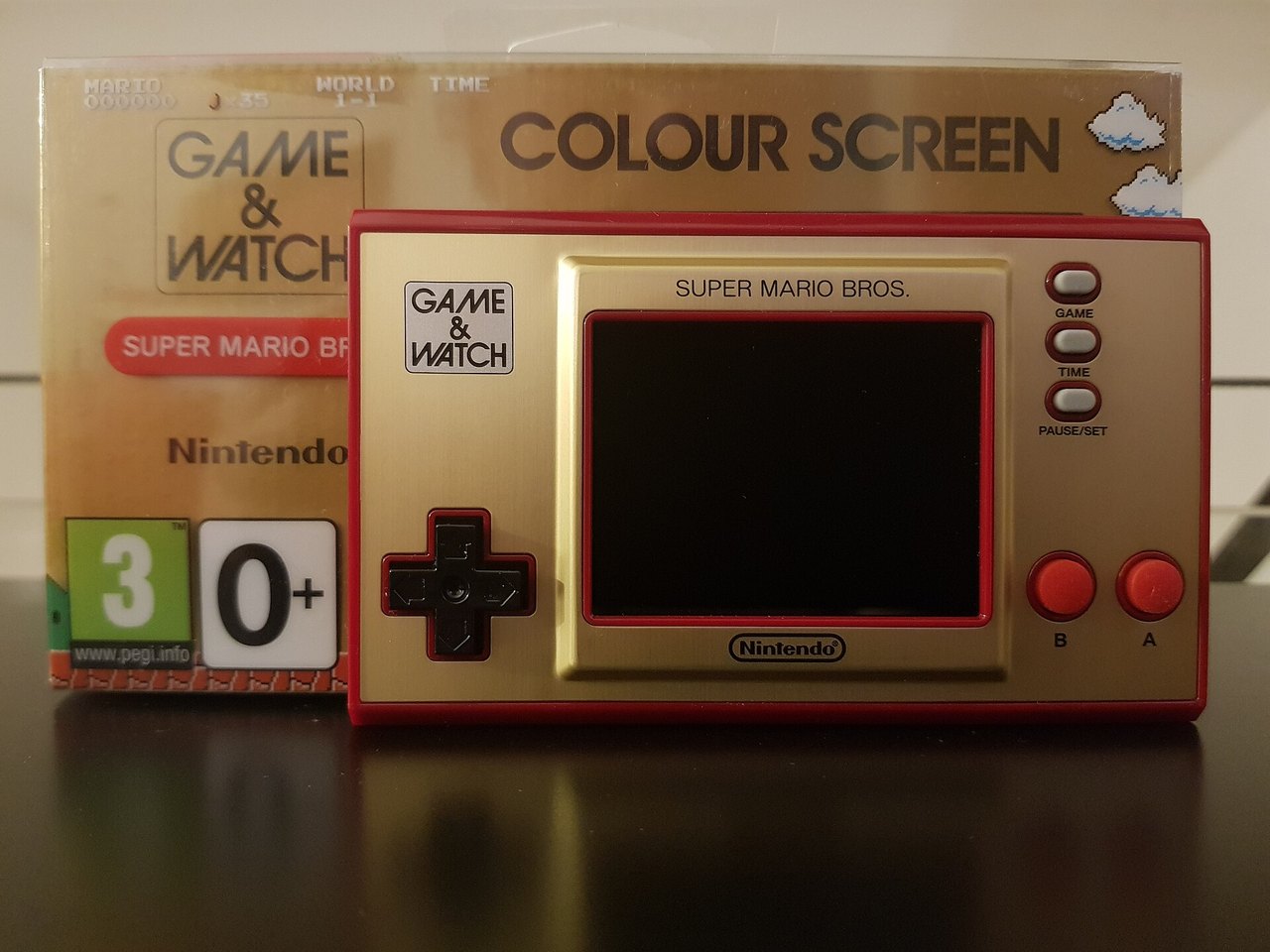

What is inside
Three games and a clock. Super Mario Bros is the full NES game, all 32 levels, running from the original code rather than a remake. Super Mario Bros: The Lost Levels is the 1986 Japanese sequel, the one with poison mushrooms and wind, which Western players only saw in 1993 as part of Super Mario All-Stars. Ball is the 1980 juggling game from the very first Game & Watch, redrawn with Mario catching the balls. The clock shows the time over an animated World 1-1 scene, with dozens of small touches that change through the day.
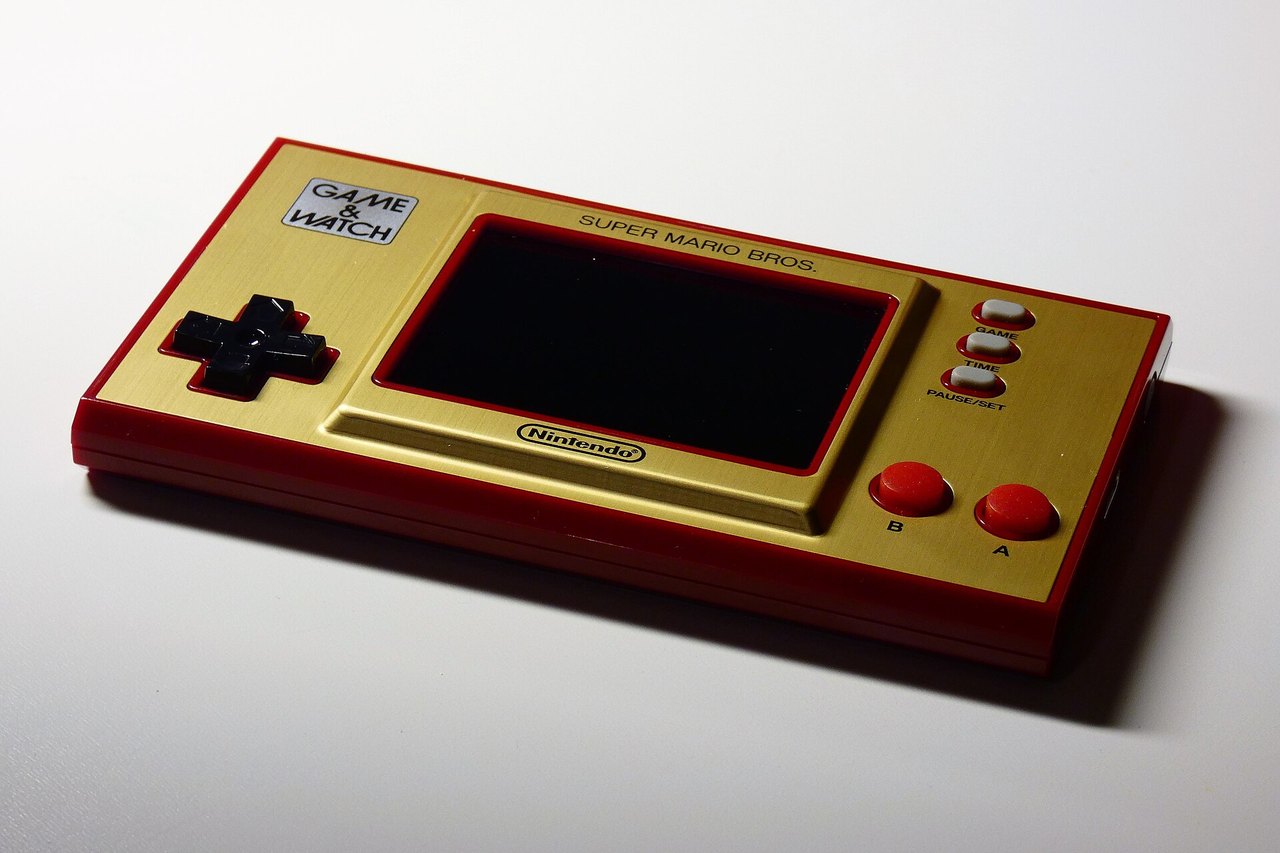

The hardware is a 2.36-inch colour LCD, a d-pad, A and B, three small buttons for Game, Time and Pause/Set, a speaker, and a rechargeable battery charged over USB-C. The body is metallic gold with the red of the original Ball unit, and it is light enough to forget in a jacket pocket. There is no stand, no headphone jack and no wireless anything, by design.
How it plays
The screen is sharp and bright, and the aspect ratio matches the NES output, so nothing is stretched. The d-pad is smaller than a controller’s and the buttons sit close together; a 1-1 run feels fine, 8-3 with its Hammer Bros feels cramped. Sound comes out of a tiny speaker that is loud enough to hear the coin sound across a quiet room.
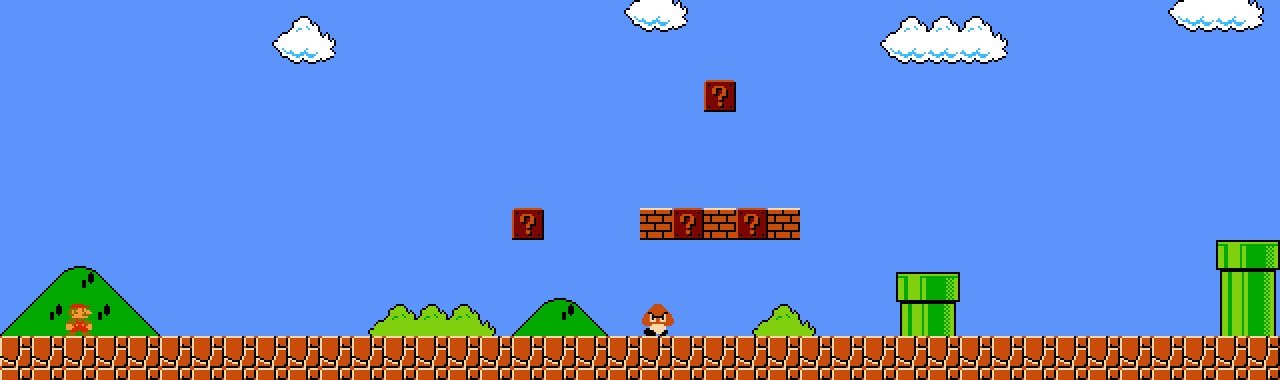
Both Mario games support infinite continues, which the cartridge did not, so you can keep going from the world where you died rather than starting over. The Lost Levels is the harder of the two and the main reason owners keep the device out of the drawer: it is the one Mario game most people have never finished.
Nintendo also hid a few extras. Holding A on the clock screen for several seconds starts the Mario Drawing Song, a short animated sing-along from a 1985 Japanese TV spot. Different times of day change what happens on the clock scene, and the date 10 March (Mario Day in the US date format) has its own touch.

What it does not do
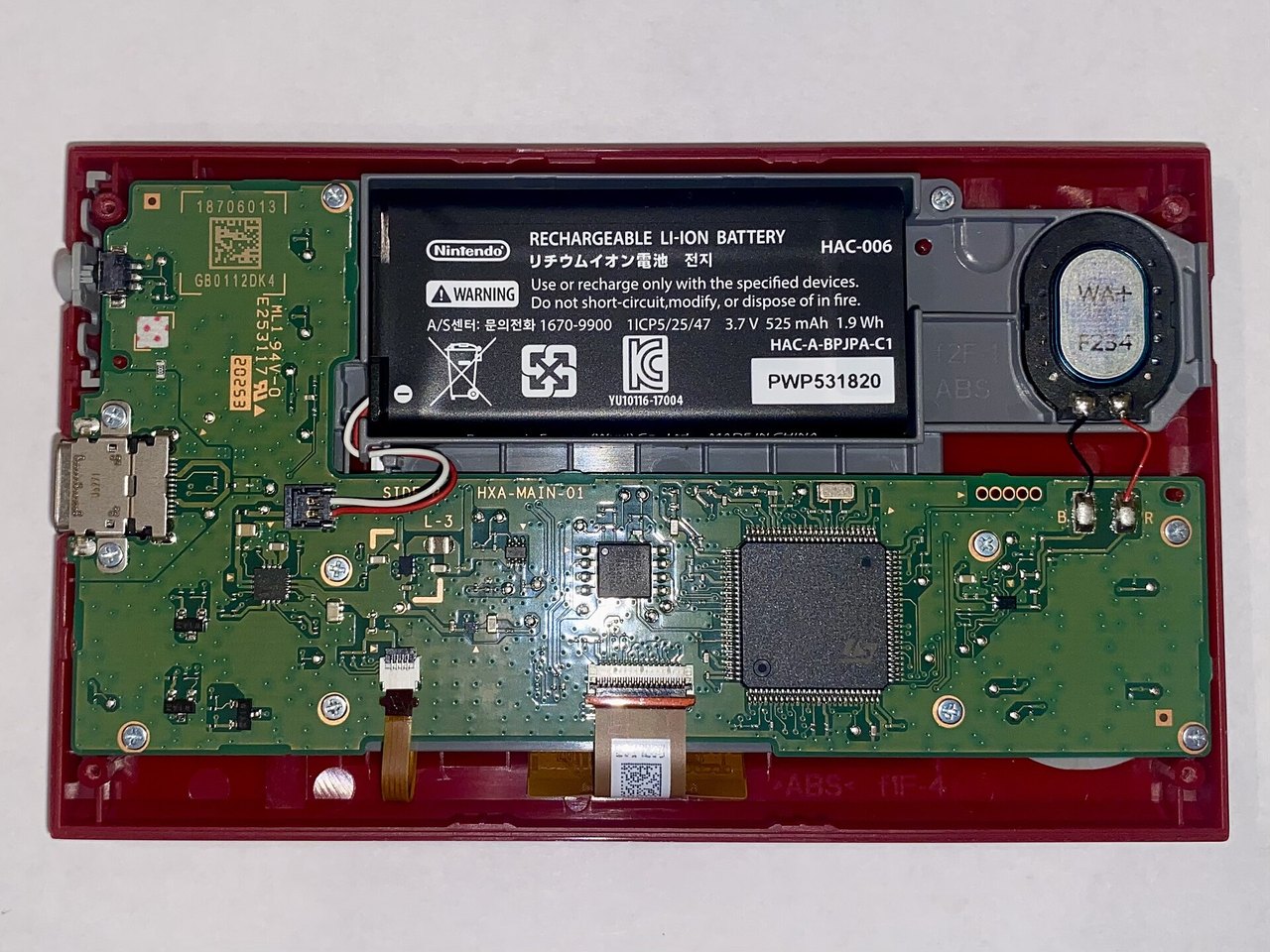
There is no save feature, no rewind and no way to add games. The clock keeps running while the unit sleeps, and your game is held in memory while it sleeps too, but a flat battery means starting over. The battery lasts around eight hours of play and charges in a few hours. The screen is small for anyone with tired eyes; the NES version on a television is easier on them.
The community found ways to run other software on it within months of release, which is interesting but outside the scope of this page, and it voids any chance of help from Nintendo.
Price and availability in 2026
It launched at $49.99 in the US and equivalents elsewhere, with Nintendo saying from the start that production was limited. Retail stock was gone by spring 2021. Today it changes hands on auction and collector sites, usually above its original price, with boxed units commanding more. A second Game & Watch, for The Legend of Zelda, followed in 2021 and is easier to find.
Is it worth it?
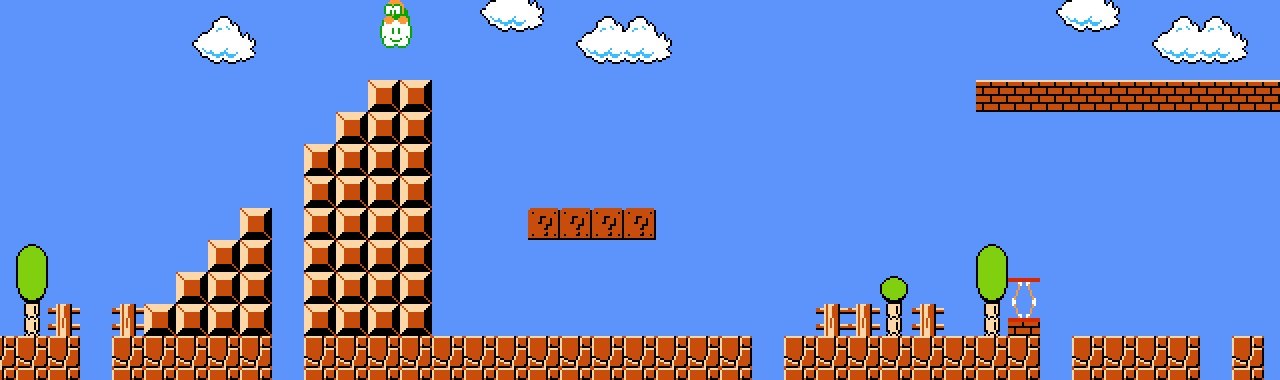
As a way to play Super Mario Bros, it is one of the best: real code, a good screen, instant on. As value, it is a hard sell at collector prices when the same game is in Nintendo Switch Online for the cost of a subscription, and the browser version on this site is free. Buy it because you want the object, not because you need the game.
If you want to check what you would be getting before paying for anything, the level pages here show every stage of the game the handheld contains, and the game itself is one click away.